How to Maintain Japanese Straightened Hair Between Appointments
By Belle · 2 min read
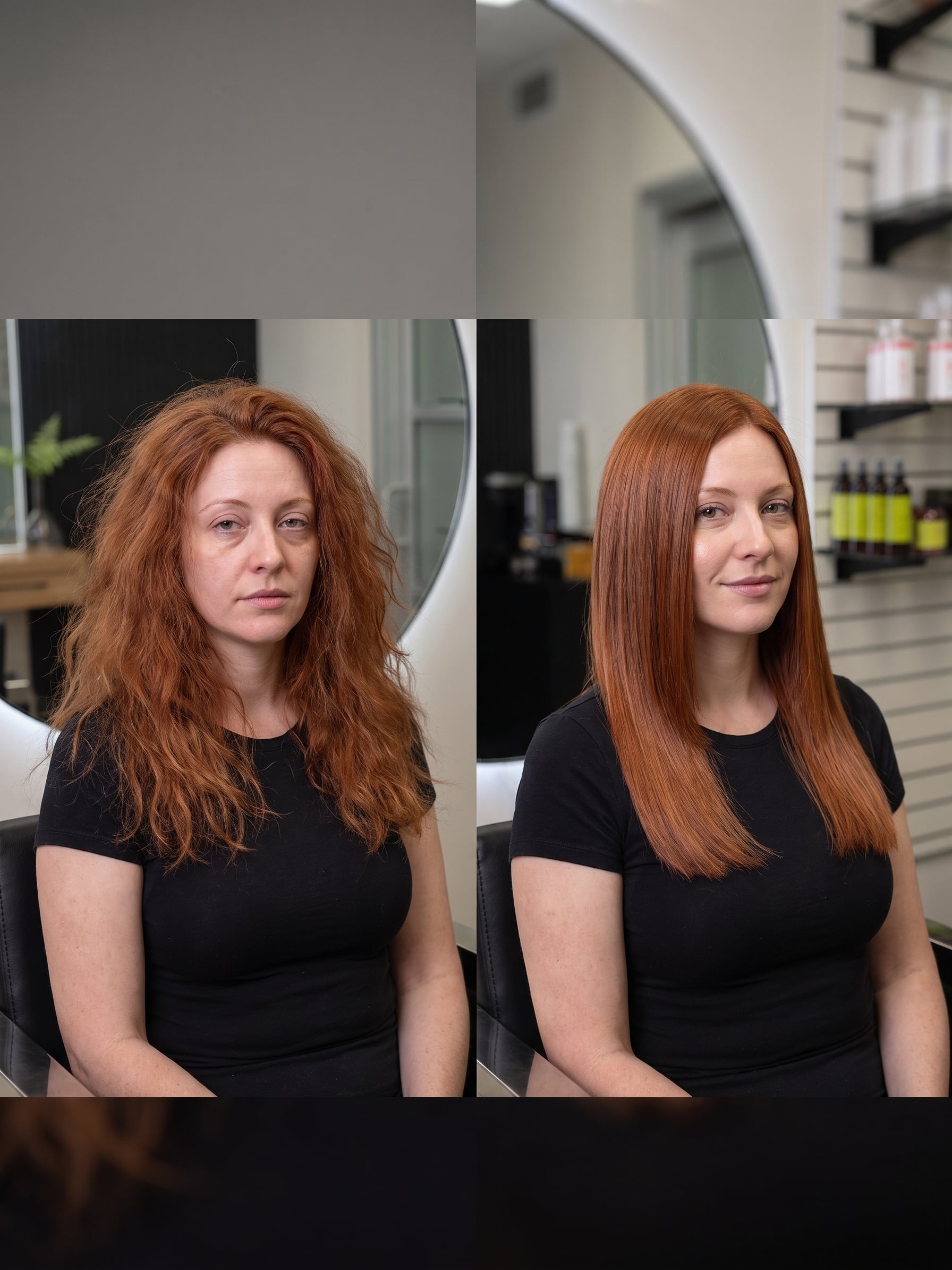
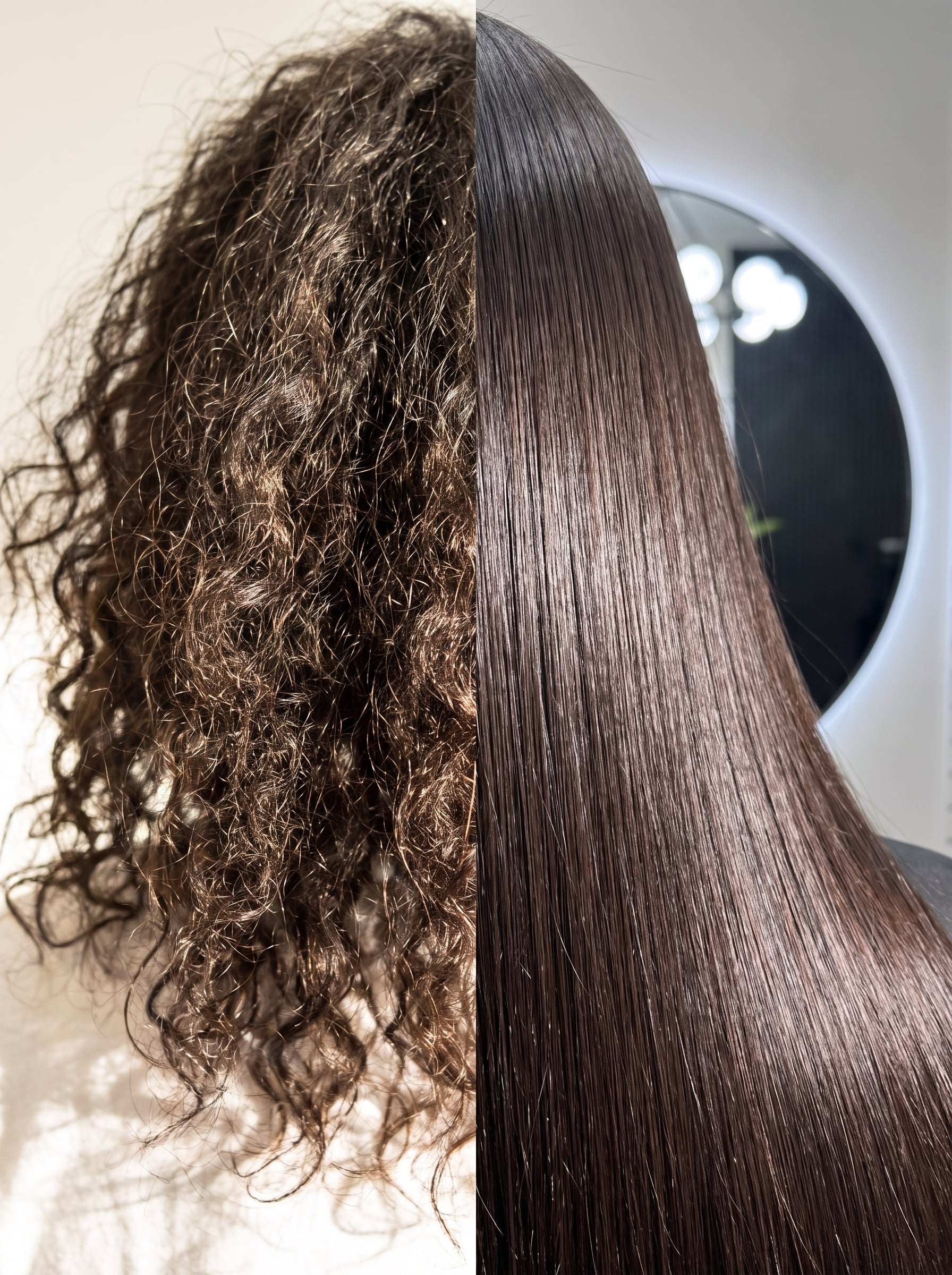
Japanese straightening is a significant investment in time, money, and trust. With the right care routine, treated hair can stay healthy and glossy for years. Here’s what I tell every client at the end of their appointment.
The First 48 Hours Are Critical
In the first three days after treatment, avoid anything that could crease or re-bend the hair: no ponytails, no hair clips, no bobby pins, no tucking behind the ears. Don’t wash your hair for at least 48 hours. If you get caught in the rain, blow-dry immediately. The bonds are still stabilizing during this window.
Shampoo and Conditioner
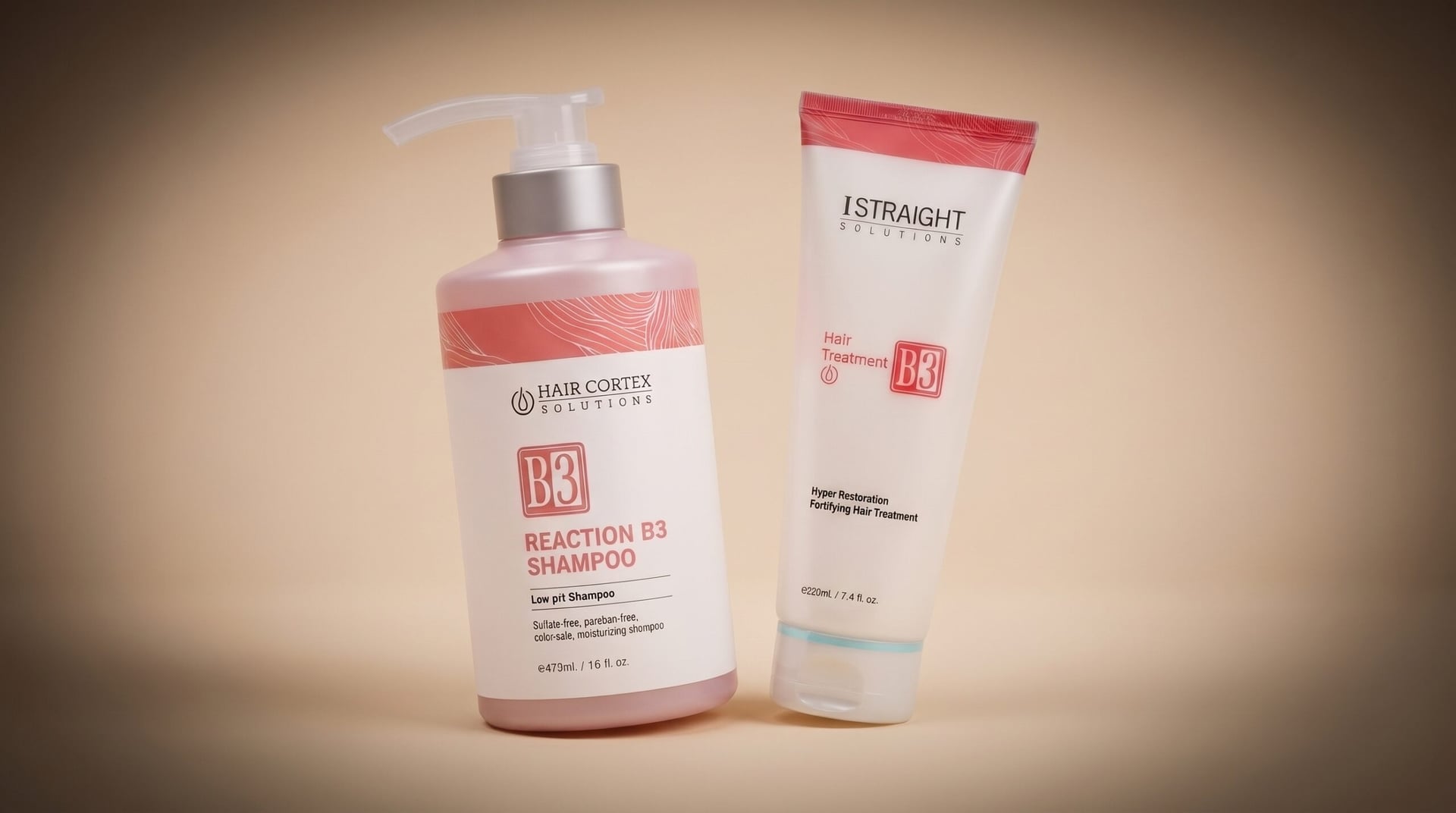
Use a sulfate-free shampoo and a moisture-rich conditioner. Sulfates strip the cuticle and can weaken the bonds that hold the straightening in place. We recommend washing no more than 2–3 times per week. Between washes, a dry shampoo at the roots handles any buildup without wetting the hair. We recommend using the Reaction B3 Shampoo and/or the Hair Treatment.
Heat Styling
Your hair will air-dry straight, that’s the point. If you do use a blow-dryer, use a low heat setting and always finish with a cool shot. If you use a flat iron for touch-ups, keep the temperature moderate (around 350°F) and use a heat protectant. You don’t need high heat for hair that’s already straight.
Color and Chemical Services
Wait at least two weeks after Japanese straightening before any color service. Chemical processes interact with each other, and proximity increases the risk of damage. Always tell your colorist you have treated-hair formulations and timing need to be adjusted accordingly.
When to Come Back In
Most clients return every 6–9 months for a root touch-up. The treated hair stays straight; only the new growth needs retreating. How quickly you return depends on how fast your hair grows and how much contrast between straight and wavy growth you’re comfortable with.
Belle
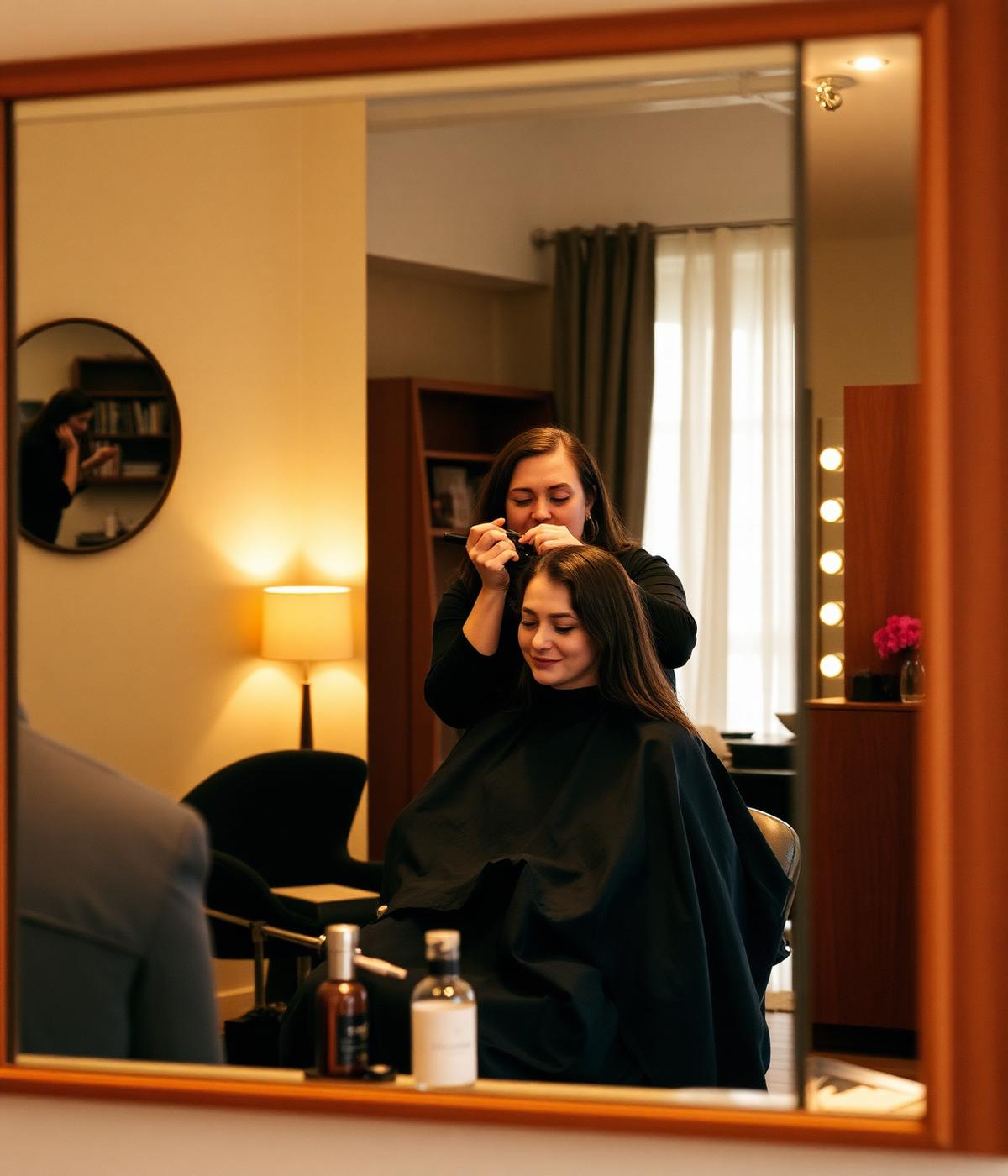
Belle has practiced hair artistry for 25 years from her studio in Orland Park, IL — specialising in Japanese thermal reconditioning, keratin smoothing, and restorative care.
Read Belle's Story →